Citizenship Application: Complete Guide to Applying for U.S. Citizenship [2026]
Learn how to complete your citizenship application with confidence. Get clear steps for forms, interviews, and avoiding delays.
![Citizenship Application: Complete Guide to Applying for U.S. Citizenship [2026]](https://cdn.onechainsolutions.com/public/tenants/3243a1a8-64e4-4757-bb3a-010870f3f0e5/uploads/blog-posts/1784307101474_citizenship_application.webp)
Starting a citizenship application can feel like standing at the base of a mountain. There are forms to complete, requirements to meet, and a process that can stretch over months. But once you understand how each piece fits together, the process becomes much easier to navigate.
This guide explains the citizenship application process step by step, so you'll know what to expect from eligibility through your interview and oath ceremony.
Who Is Eligible to Apply for U.S. Citizenship
Before you begin a citizenship application, confirm that you meet the basic requirements. In most cases, you must:
Be at least 18 years old
Have held a green card (lawful permanent resident status) for at least five years. Applicants married to a U.S. citizen may qualify after three years.
Have lived continuously in the United States during that period
Be physically present in the United States for at least half of that time
Show good moral character
Demonstrate basic knowledge of English and U.S. civics
Some applicants may qualify for exceptions, including certain military service members and their families. If you are unsure whether you meet these requirements, a naturalization attorney can review your situation before you file your application.
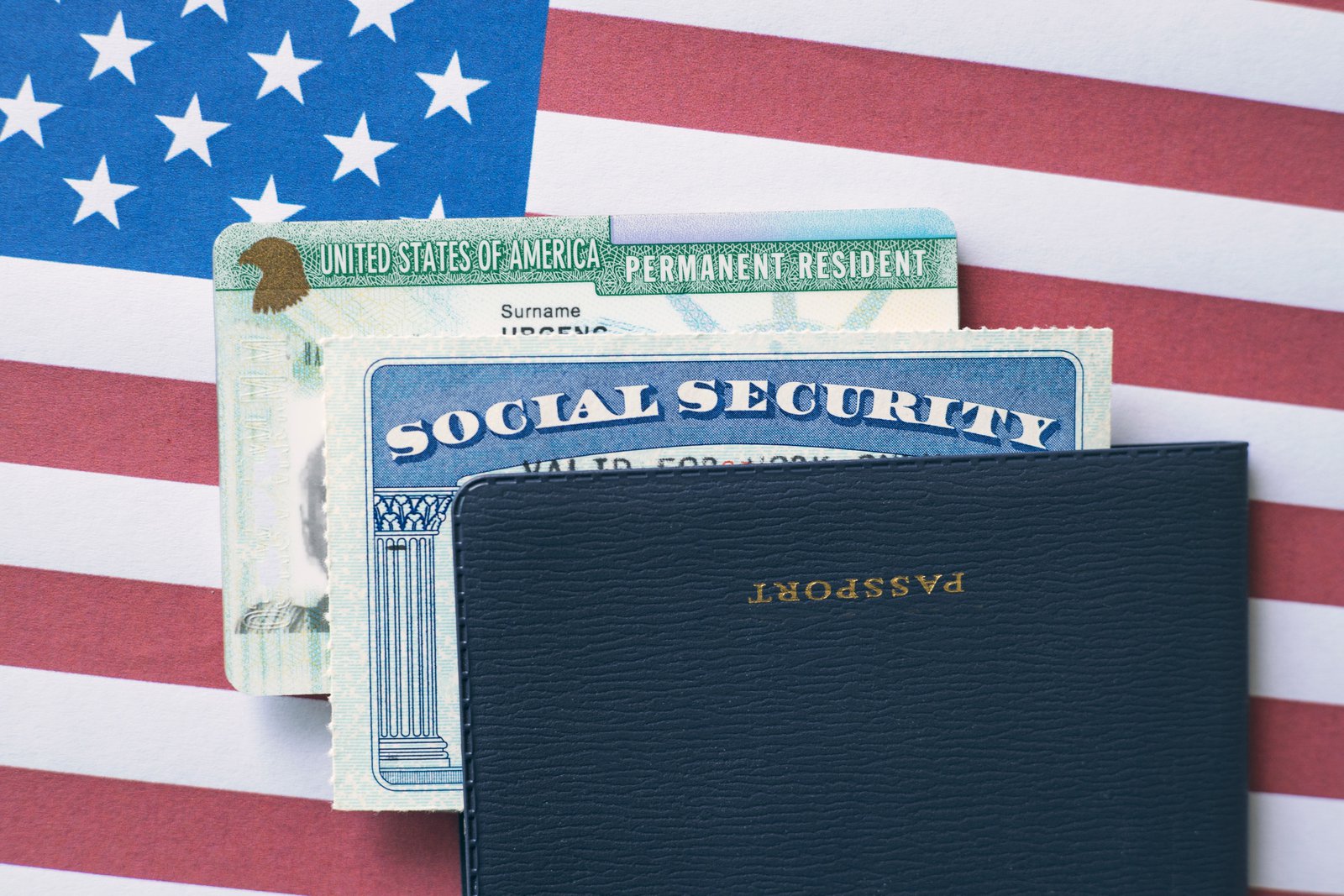
Understanding Form N-400
The centerpiece of every citizenship application is Form N-400, the application for Naturalization. This form asks about your background, residence history, travel outside the United States, and moral character. Small errors or missing details here are among the most common reasons applications get delayed, so accuracy matters more than speed.
Along with Form N-400, applicants typically need to submit:
A copy of their green card
Passport-style photos (if applying from abroad)
Proof of marriage or military service, if applicable
The required filing fee, unless a fee waiver applies
Filing electronically through your USCIS account can help you track your case status and reduce the risk of mailing delays.
What to Expect After You File Your Citizenship Application
Once your citizenship application is submitted, USCIS will send a receipt notice, followed by a biometrics appointment (fingerprinting and photographs). This step confirms your identity and allows USCIS to run background checks.
Processing times vary by your local field office, so it is worth checking current wait times before making major life plans around your case.
The Naturalization Interview and Civics Test
This is the stage most applicants feel nervous about, and understandably so. During the interview, a USCIS officer will:
Review your Form N-400 answers under oath
Test your English reading, writing, and speaking ability
Ask up to 10 civics questions from a list of 100, with at least 6 correct answers required to pass
Preparation matters here. Practicing sample civics questions and reviewing your application answers in advance can turn a stressful appointment into a manageable one. Applicants who have legal guidance often feel far more confident because they already know what to expect and how to answer clearly.

Common Mistakes That Delay a Citizenship Application
Many delays are avoidable. Some of the most frequent issues include:
Listing incorrect travel dates or forgetting trips abroad
Failing to report minor legal issues, even resolved ones
Missing continuous residency due to long trips outside the U.S.
Submitting outdated forms or incomplete documentation
Missing the filing window based on green card eligibility dates
Catching these errors before submission is far easier than correcting them after USCIS flags a case.
A Trusted Resource for Citizenship Application Aspirants
If you want to review official eligibility requirements directly from the source, USCIS provides a detailed overview of the naturalization process, including residency requirements, good moral character standards, and the English and civics tests. This resource is updated regularly, so it's worth checking back if your application timeline stretches over several months.
It is a helpful starting point for understanding what the government expects at each stage, but it does not replace personalized legal guidance for your specific circumstances. Every applicant's history, including prior immigration status, travel patterns, and family circumstances, can affect eligibility in ways that a general overview simply cannot address. An experienced immigration attorney can help you identify potential red flags before you file, saving you time and reducing the risk of delays or denials.
If you want to review official eligibility requirements directly from the source, USCIS provides a detailed overview of the naturalization process, including residency requirements, good moral character standards, and the English and civics tests. This resource is updated regularly, so it's worth checking back if your application timeline stretches over several months.

After the Interview: The Oath Ceremony
Once you pass your interview and test, the final step is attending a naturalization ceremony, where you take the Oath of Allegiance and officially become a U.S. citizen. This ceremony is often the culmination of months or even years of preparation, and many applicants describe it as one of the most meaningful days of their lives. Ceremonies can be held at USCIS field offices, federal courthouses, or larger community venues, depending on the number of applicants being sworn in that day. You'll typically be asked to surrender your Permanent Resident Card at the ceremony, since it is no longer needed once you become a citizen.
From there, you can apply for a U.S. passport, register to vote, and enjoy the full rights of citizenship. Many new citizens also use this moment to update their Social Security records, notify their employer of their new status, and, if applicable, begin the process of petitioning for family members to immigrate. Taking these steps promptly helps ensure a smooth transition into your new legal status.
Why Guidance Matters for Your Citizenship Application
A citizenship application is more than paperwork. It is a legal process where small missteps can mean months of added delay or, in some cases, a denial that is difficult to reverse. Working with someone who understands naturalization law means having a second set of eyes on every form, every date, and every answer before it reaches USCIS.
At Muñoz Llamosas Law, naturalization cases are handled with the same care and attention given to every immigration matter, from reviewing eligibility to preparing clients for their interview day. Applicants deserve clarity, not confusion, when it comes to something as significant as becoming a citizen.
If you are ready to start your citizenship application or simply want to make sure your case is on the right track, schedule a consultation today. Our team is happy to walk through your situation, answer your questions, and help you move forward with confidence.