What Documents are Needed for a Fiancé Visa in 2026? [Full Guide]
Learn what documents are needed for a fiancé visa in 2026, from proof of relationship to medical exams. Get a clear checklist to file with confidence.
![What Documents are Needed for a Fiancé Visa in 2026? [Full Guide]](https://cdn.onechainsolutions.com/public/tenants/3243a1a8-64e4-4757-bb3a-010870f3f0e5/uploads/blog-posts/1784307189576_Fiance_Visa.webp)
If you are planning to bring your partner to the United States through a K-1 visa, one question probably comes up more than any other: What documents are needed for a fiancé visa? The K-1 process rewards couples who are organized and prepared, but the paperwork is often where things get complicated. A missing form or an inconsistency in your application can lead to delays that stretch a hopeful timeline into a frustrating one.
This guide walks through exactly what documents are needed for a fiancé visa application in 2026 so you can build a stronger, more complete filing package from the start.
What Is a K-1 Fiancé Visa?
The K-1 visa allows a U.S. citizen to bring a foreign fiancé to the United States for the purpose of getting married within 90 days of arrival. It is a popular path for couples who met abroad, built a relationship across borders, and now want to start their lives together in the U.S. Because the visa depends on proving both eligibility and a genuine relationship, the required documents play an important role in determining how smoothly the case moves forward.
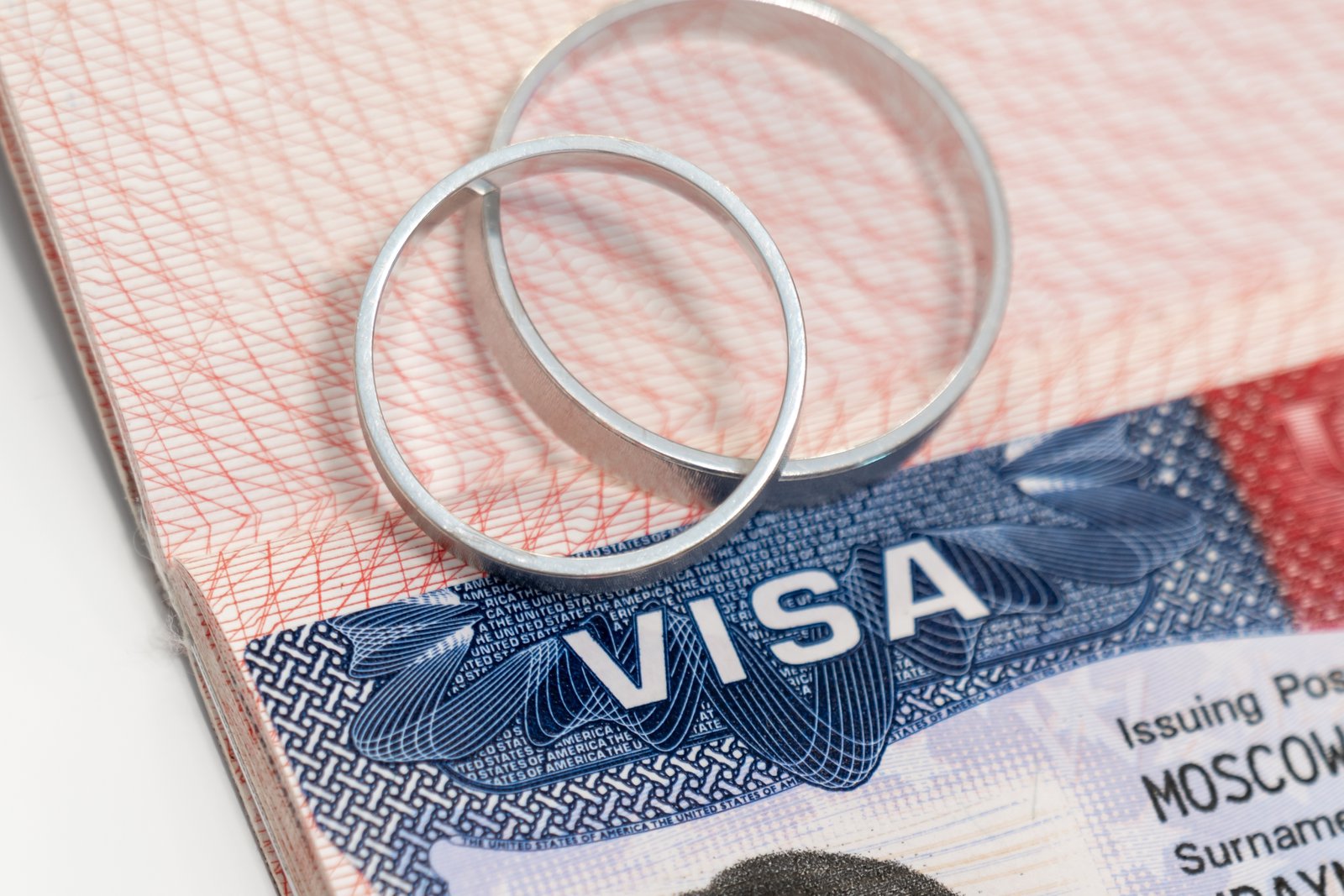
What Documents Are Needed for a Fiancé Visa: The Core Checklist
When people ask which documents they need for a fiancé visa, the answer usually falls into a few main categories. Here is what most couples need to gather.
1. Form I-129F, Petition for Alien Fiancé
This is the starting point of the K-1 visa process. The U.S. citizen petitioner files Form I-129F with USCIS to establish the relationship. Through this petition, the petitioner requests permission for the fiancé to travel to the U.S. Supporting evidence submitted with this form typically includes:
Proof of U.S. citizenship (birth certificate, passport, or naturalization certificate)
Passport-style photos of both the petitioner and the beneficiary
Certified divorce decrees or death certificates for any prior marriages
2. Proof of a Genuine Relationship
USCIS wants to see that the relationship is real and not entered into solely for immigration purposes. This is often the section couples find most stressful, since it requires organizing evidence collected over months or years. Useful documents include:
Photos together spanning different points in the relationship
Messages, call logs, or video chat records showing ongoing communication
Travel records showing visits between partners
Letters or statements from friends and family who can speak to the relationship
3. Evidence of In-Person Meeting
Federal law generally requires couples to have met in person within two years of filing the petition, so documentation of that meeting matters. Boarding passes, passport stamps, hotel receipts, or photos from the trip can all help establish this.

4. Divorce or Death Certificates for Prior Marriages
If either partner had a previous marriage, they must submit certified divorce decrees or death certificates. These documents must prove the prior marriage was legally terminated before the new relationship began.
5. Form DS-160, Online Nonimmigrant Visa Application
After USCIS approves the I-129F petition, the case moves to the National Visa Center before being forwarded to the appropriate U.S. embassy or consulate. The foreign fiancé then completes Form DS-160. They must bring the DS-160 confirmation page to the visa interview.
6. Medical Examination Results
After gathering the required documents, the fiancé must complete a medical exam with an authorized panel physician in their home country. During the exam, the physician checks for communicable diseases and confirms that all required vaccinations are up to date. Once the exam is complete, applicants typically bring the sealed medical results directly to the visa interview.
7. Police Certificates
Most applicants need police certificates from their country of current residence and any other country where they lived for a significant period since turning 16. These certificates help confirm that the applicant does not have a disqualifying criminal history.
8. Financial Support Documents
In addition, the U.S. petitioner must show that they can financially support their fiancé. They usually do this by submitting Form I-134, Declaration of Financial Support, along with tax returns, pay stubs, or an employment verification letter.
Common Mistakes That Slow Down a K-1 Case
Even strong relationships can face delays when couples do not handle the paperwork carefully. Some of the most common issues include:
Submitting inconsistent dates or names across different documents
Forgetting to include translations for documents not in English
Missing the two-year in-person meeting requirement without a qualifying exception
Sending outdated versions of USCIS forms
While gathering the required fiancé visa documents is an important first step, making sure they all line up and tell a clear, consistent story is just as important.
What Documents Are Needed for a Fiancé Visa: Official Guidance
Finally, because immigration requirements can change, it helps to confirm current form versions and evidentiary standards directly with USCIS before filing. For example, the USCIS page on K-1 fiancé visas explains the government's eligibility requirements and filing process, making it a useful reference while assembling a petition.
Building a Stronger Filing Package
Couples who approach the K-1 process with a clear checklist tend to move through it with far less stress. Organizing documents by category, double-checking names and dates across every form, and keeping both original and translated copies on hand can make a real difference at the interview stage.
Still, every couple's story is different, and some cases involve added complexity, like prior visa denials, criminal history, or unusual travel patterns. In those situations, having experienced guidance can mean the difference between a smooth approval and a drawn-out delay.
Get Guidance for Your Fiancé Visa Case
Knowing the required fiancé visa documents is an important first step. Every relationship and immigration history brings unique circumstances. Muñoz Llamosas Law helps couples build organized, well-supported K-1 petitions. The firm also addresses important details that applicants often overlook.
If you want a second set of eyes on your documents or you are dealing with a more complicated situation, reach out to Muñoz Llamosas Law or connect with our team today. We are happy to walk through your case and help you move forward with confidence.