What Is Naturalization? A Simple Guide to Becoming a U.S. Citizen
Learn what is naturalization and how it shapes your long-term path to citizenship. Find out if you qualify and take that next step with confidence.

For many lawful permanent residents, understanding what is naturalization is the first step toward a life-changing decision. Naturalization is the legal process through which a green card holder becomes a full U.S. citizen. It comes with rights, responsibilities, and opportunities that permanent residency alone cannot provide.
The path to citizenship involves meeting specific requirements and completing a structured application process. Many eligible residents feel unsure about where to begin or whether they qualify at all. Knowing what to expect can make the process feel far more manageable.
What is the Naturalization Process?
Naturalization is the legal pathway through which a lawful permanent resident applies to become a U.S. citizen. The process involves meeting eligibility requirements, submitting a formal application to USCIS, completing an interview and civics test, and taking the Oath of Allegiance. Once completed, the individual gains full citizenship rights and protections under U.S. law.
What Is Naturalization and How Does It Differ from a Green Card?
Naturalization is the process through which a non-U.S. citizen voluntarily becomes an American citizen. Unlike permanent residency, which allows someone to live and work in the United States long-term, citizenship offers a permanent, unconditional status. A naturalized citizen holds the same legal rights as anyone born in the United States, with very limited exceptions.
Permanent residents, often called green card holders, enjoy many freedoms in the country they call home. However, that status still carries certain limitations, including the possibility of losing residency under specific circumstances. Citizenship builds on what a green card provides and offers a legal foundation that cannot be taken away.
Naturalization is rooted in federal law, specifically the Immigration and Nationality Act (INA), which establishes all eligibility requirements and procedures. The United States Citizenship and Immigration Services (USCIS) is the federal agency responsible for reviewing and approving applications. Understanding this framework helps applicants know exactly who governs the process and what rules apply.

Who Qualifies for Naturalization?
To apply for naturalization, a person must generally meet several requirements set by federal law. The most common path requires being at least 18 years old and holding a green card for at least five years. That requirement is reduced to three years for those who obtained their green card through marriage to a U.S. citizen.
Applicants must also demonstrate continuous residence and physical presence in the United States. Continuous residence means living in the country throughout the required period without lengthy absences. Physical presence requires that applicants have actually been present in the U.S. for at least half of that qualifying period.
Good moral character is another core requirement throughout the eligibility period. USCIS reviews criminal history, tax compliance, and other factors when making this determination. Additional requirements include basic English language ability and knowledge of U.S. history and government.
The Naturalization Process: What to Expect
Knowing what to expect makes the naturalization process far less intimidating. Each stage builds on the last, moving you steadily closer to citizenship.
The process follows a clear sequence from application to ceremony:
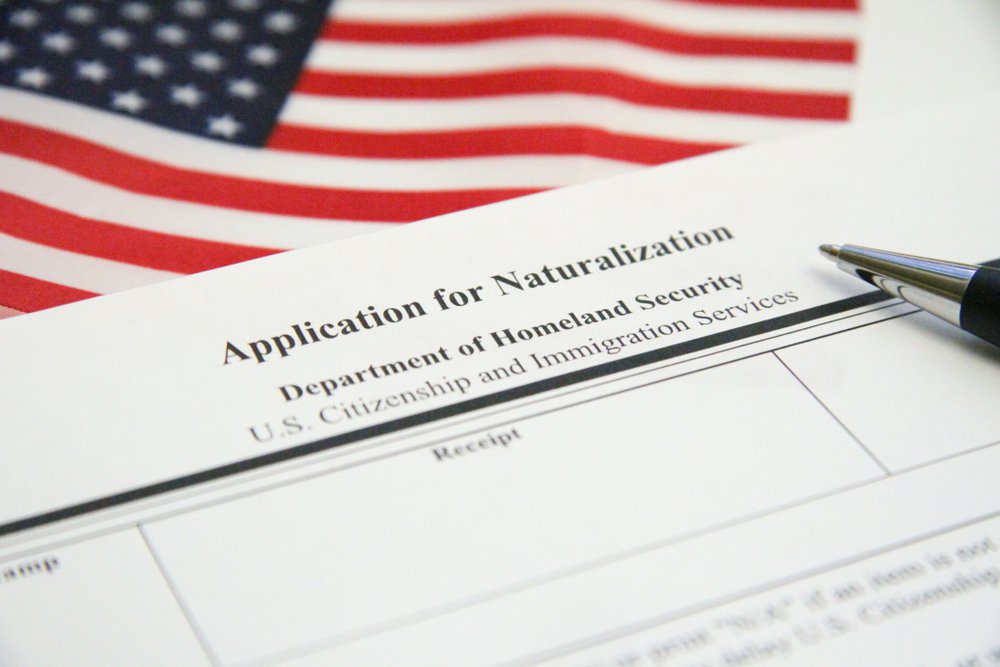
File Form N-400 — Submit the Application for Naturalization along with your supporting documents and the required filing fee to USCIS.
Attend a biometrics appointment — USCIS will schedule you to provide fingerprints and photos, which are used for your background check.
Complete the background check — A thorough review of your immigration record and criminal history takes place before your interview is scheduled.
Attend your naturalization interview — A USCIS officer reviews your application, asks questions about your background, and administers the civics and English tests.
Take the Oath of Allegiance — Once approved, you attend a naturalization ceremony where taking the oath officially makes you a U.S. citizen.
USCIS welcomed 818,500 new citizens in fiscal year 2024 during ceremonies held across the United States and around the world. That moment at the ceremony is where the entire journey becomes real.

Benefits and Responsibilities of U.S. Citizenship
Naturalization opens doors that permanent residency simply cannot. Understanding what comes with citizenship helps eligible residents make a fully informed decision about their future.
Becoming a U.S. citizen comes with meaningful benefits that extend well beyond a green card:
The right to vote in federal, state, and local elections gives you a direct voice in the laws that shape everyday life.
The ability to petition for certain family members to immigrate to the United States more easily.
A U.S. passport that allows you to travel more freely and access greater consular protections abroad.
No more green card renewals, eliminating the ongoing cost and concern of maintaining lawful permanent resident status.
Citizenship for your children, as children of naturalized citizens, may automatically be acquired in certain cases.
With these rights come responsibilities that are equally important. Citizens are expected to follow the law, pay taxes, serve on a jury when called, and contribute to the communities they call home.
Common Concerns About Applying for Naturalization
For many residents still figuring out what is naturalization, the civics test is usually the first thing that feels overwhelming. Depending on when you file, the test either draws up to 10 questions from a pool of 100 requiring 6 correct answers or up to 20 questions from 128 requiring 12 correct answers for those filing on or after October 20, 2025. USCIS data shows a pass rate of 89.7% on the first attempt and 94.4% overall, which means most people are far more prepared than they realize.
Another concern involves criminal history. Not every past issue automatically disqualifies an applicant, but honesty on the application is essential. USCIS evaluates moral character based on the five or three years immediately before filing, and certain offenses are reviewed more carefully than others. Consulting with an immigration attorney before applying can help clarify how a specific situation may be evaluated.
Some permanent residents worry that applying for citizenship could somehow jeopardize their current green card status. In most cases, applying for naturalization does not put an existing green card at risk. Understanding the distinction between what could affect an application and what poses a real legal risk is something a qualified attorney can help address.
What Happens If the Application Is Denied?
A denial does not permanently close the door on citizenship. USCIS is required to provide written notice explaining the reasons for the denial. Applicants then have the right to request a hearing before a USCIS officer, giving them an opportunity to address any issues raised.
If the hearing does not result in approval, the applicant may take the matter to a federal court, where a judge reviews the case independently of USCIS. Throughout each stage, the applicant keeps their green card and remains in valid legal status in the United States. The ability to appeal means a single setback does not have to be the end of the road.
In many cases, a denial stems from documentation gaps, misunderstandings, or incomplete forms rather than a fundamental ineligibility. Revisiting those issues with focused legal support can meaningfully improve the outcome of a new application. Knowing that options remain helps applicants stay grounded and move forward with a clearer plan.
Taking the Next Step Toward U.S. Citizenship
Understanding what is naturalization matters because it allows eligible residents to move forward with clarity instead of uncertainty. Citizenship is a significant milestone that offers long-term stability, expanded rights, and new opportunities for both individuals and their families. Many people who qualify hesitate simply because the process feels unfamiliar, but the steps are clear and the support is available.
At Muñoz Llamosas Law, we understand that every immigration journey carries its own circumstances, questions, and concerns. Our team provides bilingual, compassionate guidance to help eligible permanent residents evaluate their options, prepare their applications accurately, and navigate each stage of the naturalization process with confidence. If you are ready to explore whether citizenship is the right next step for you, we welcome the opportunity to walk through it together.
Schedule your consultation today.