How to Get a Green Card: Requirements & Eligibility
How to get a green card: learn the main eligibility paths, required forms, and common delays in U.S. permanent residency.

Understanding how to get a green card does not have to feel impossible. Millions of people go through this process every year. But without the right information, it is easy to feel lost before you even begin. This guide breaks it down clearly and honestly, so you know what to expect
How to Get a Green Card: Who is Qualified?
Not everyone qualifies for a green card the same way. The U.S. immigration system offers several paths to permanent residency. Your eligibility depends on your specific situation.
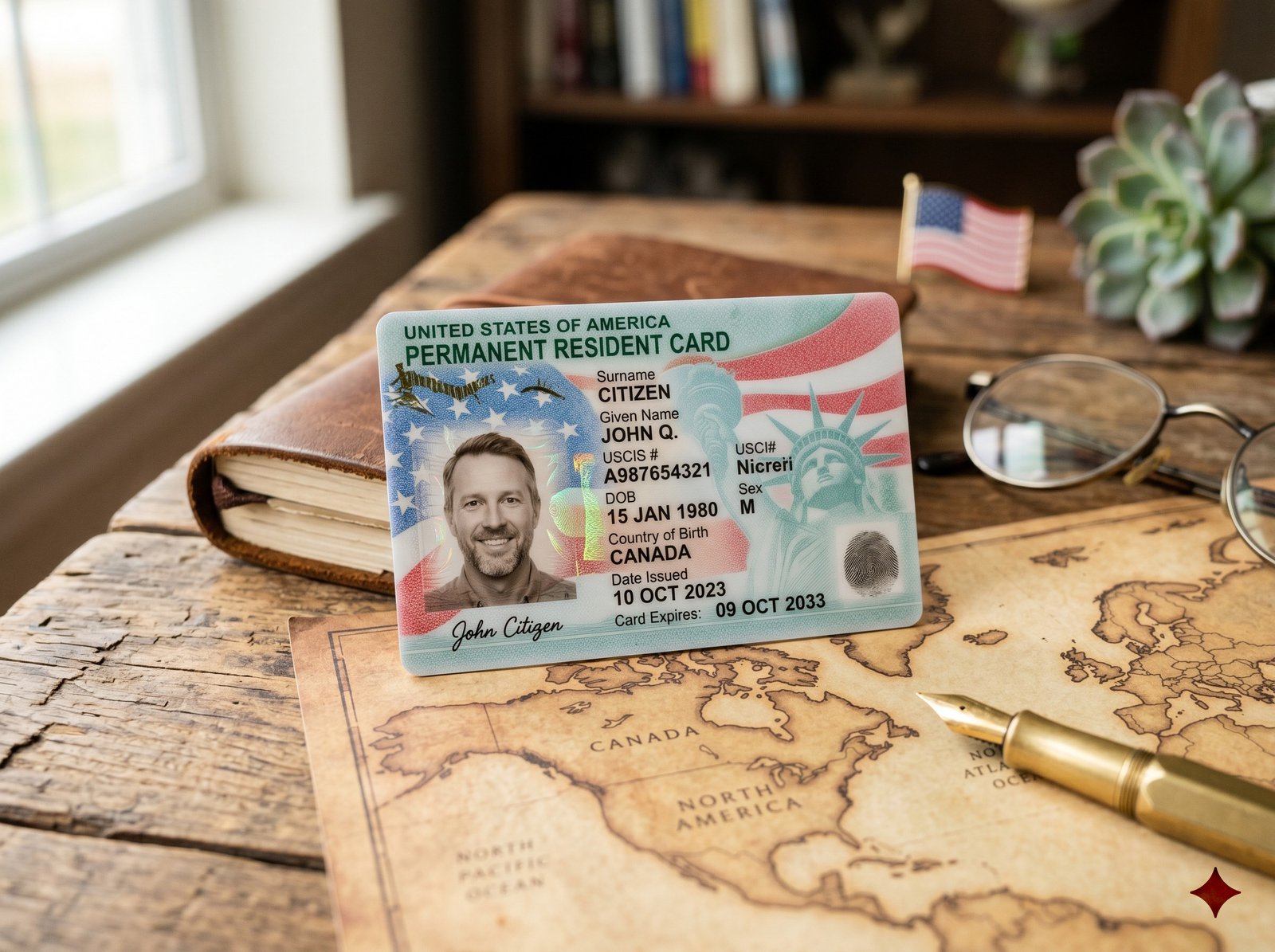
The most common qualifying relationships and circumstances include:
Having an immediate relative who is a U.S. citizen (spouse, parent, or unmarried child under 21)
Being sponsored by a family member who is a lawful permanent resident
Having a U.S. employer willing to sponsor your visa
Qualifying as a refugee or asylee
Meeting the criteria for special immigrant categories
Your country of birth also matters. Some nationalities face longer wait times due to annual visa limits. This does not disqualify you. It simply affects your timeline.

The Main Green Card Categories
There are three major paths most applicants fall into.
Family-Based Immigration is the most common route. A U.S. citizen or permanent resident petitions for you. Immediate relatives of U.S. citizens typically have the shortest wait. Other family categories may involve a waiting period based on visa availability.
Employment-Based Immigration is for foreign workers with a qualifying job offer or extraordinary abilities. There are five preference categories. Each has its own requirements. An employer usually files the petition on your behalf.
Humanitarian-Based Immigration covers refugees, asylees, and certain victims of abuse or trafficking. These pathways exist to protect people fleeing harm or persecution.
There are also lesser-known options, like the Diversity Visa Lottery. That program selects up to 55,000 applicants annually from countries with low immigration rates to the U.S.
The Application Process at a Glance
The green card process has multiple steps. The exact path depends on whether you are applying from inside or outside the United States.
Adjustment of Status is for people already in the U.S. on a valid visa. You file to change your status without leaving the country.
Consular Processing is for people applying from abroad. You go through a U.S. embassy or consulate in your home country.
Here is a simplified overview of what the process looks like:
File a petition: Either a family member, employer, or you (in some cases) files Form I-130, I-140, or another relevant petition.
Wait for visa availability: If you are not an immediate relative of a U.S. citizen, you may need to wait for a visa number to become available.
File the green card application: This is either Form I-485 (Adjustment of Status) or DS-260 (for Consular Processing).
Attend a biometrics appointment: USCIS collects your fingerprints and photo.
Complete the medical exam: A USCIS-approved civil surgeon must conduct this.
Attend your interview: Not all applicants are called for one, but many are.
Receive a decision: USCIS or the consulate approves, denies, or requests more evidence.
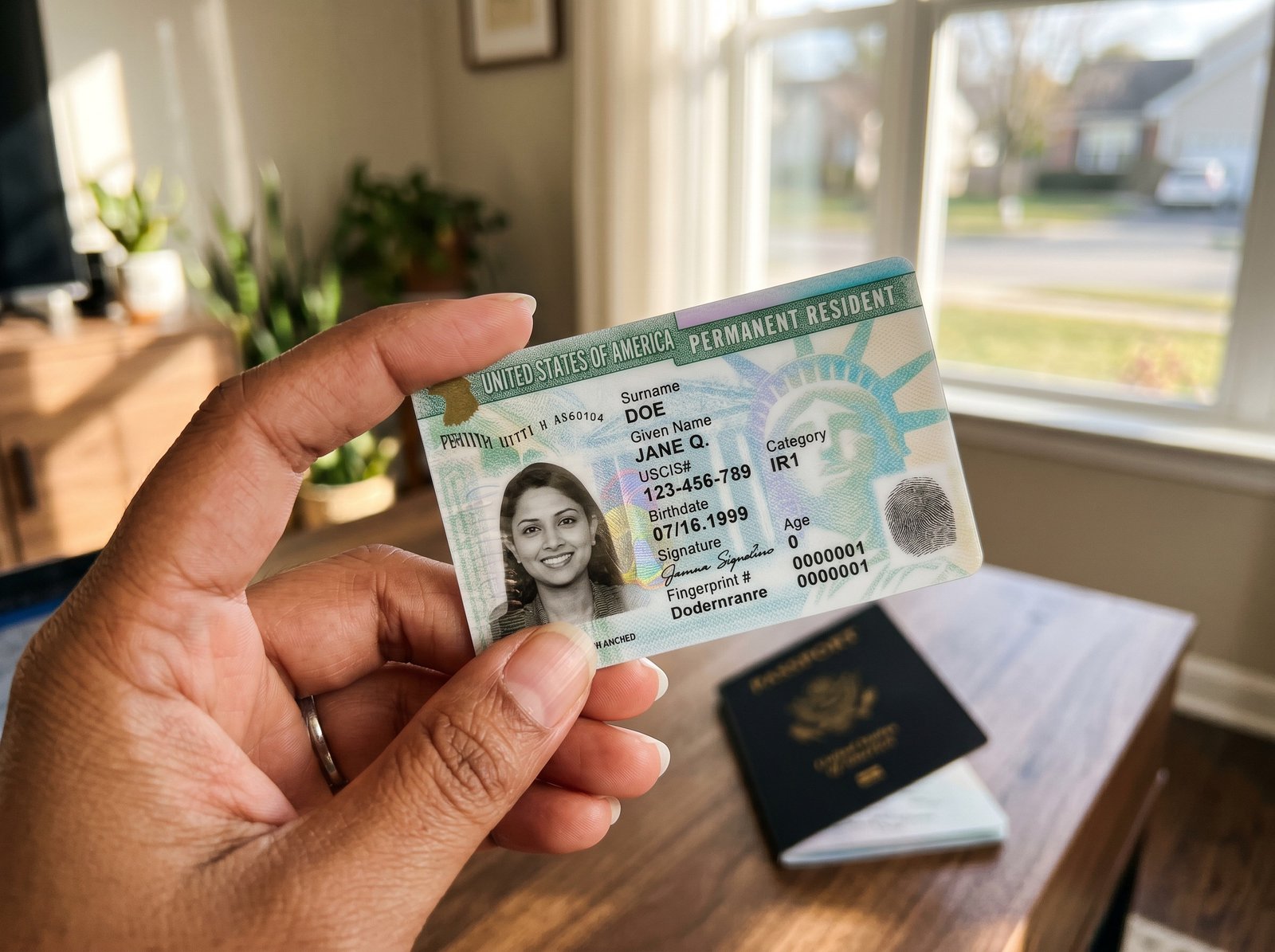
Each step has its own forms, fees, and supporting documents. Missing one can delay your entire case.
What Can Delay or Derail Your Application
The green card process is detailed. Small errors have real consequences.
Filing incomplete forms is one of the top reasons USCIS sends a Request for Evidence (RFE). An RFE can add months to your wait. Submitting incorrect fees, missing documents, or forgetting signatures causes similar problems.
Your immigration history also matters. Prior overstays, visa violations, or certain criminal records can trigger bars to admissibility. These issues are not always automatic disqualifiers. But they need to be addressed properly and early.
There is also the public charge rule to consider. USCIS evaluates whether you are likely to rely on government assistance. Having a financial sponsor (Form I-864) is required in most family-based cases.
The process is manageable. But it rewards preparation and attention to detail.
Start Your Green Card Process With Confidence
You do not have to figure this out alone. A green card is one of the most important documents you will ever apply for. It deserves careful, knowledgeable handling.
At Munoz Llamosas Law, PLLC, Attorney Maricela Munoz guides clients through every stage of the green card process. The firm offers flat-fee pricing, so you always know what you are paying. You also receive regular updates, in English or Spanish, so your case never feels like a mystery.
Whether you are just starting to explore your options or are ready to file, reach out today. Schedule a consultation and take the first real step toward your permanent residency.