New Green Card Rules 2026: USCIS Public Charge & Adjustment of Status Changes Explained
Learn about the new green card rules for 2026, including public charge changes, adjustment of status limits, and what applicants should do now.

If you are applying for permanent residency this year, you have probably heard a lot of chatter about the new green card rules taking effect across the country. USCIS and the Department of Homeland Security rolled out a major public charge overhaul, tighter limits on adjustment of status, and new restrictions for student visa holders, all within the same few months. This guide breaks down what the new green card rules actually say, when each one takes effect, and what they mean for your case in plain, straightforward language.
What Are the New Green Card Rules in 2026?
USCIS and DHS have issued several updates in a short window, and together they mark one of the busiest stretches of immigration policymaking in recent memory. The new green card rules touch nearly every part of the process, from who qualifies for permanent residency to how and where applicants can file. Anyone still learning the basics should start with our guide on how to get a green card, which lays out the main eligibility paths before you dig into this year's changes.
The New Green Card Rules on Public Charge Review
The most significant of the new green card rules involves the public charge ground of inadmissibility. On July 16, 2026, DHS announced it would rescind the 2022 public charge regulations, and the Federal Register published the final rule days later. USCIS confirmed in an official policy alert that it is issuing updated Policy Manual guidance explaining how officers will decide whether an adjustment of status applicant is likely at any time to become a public charge.
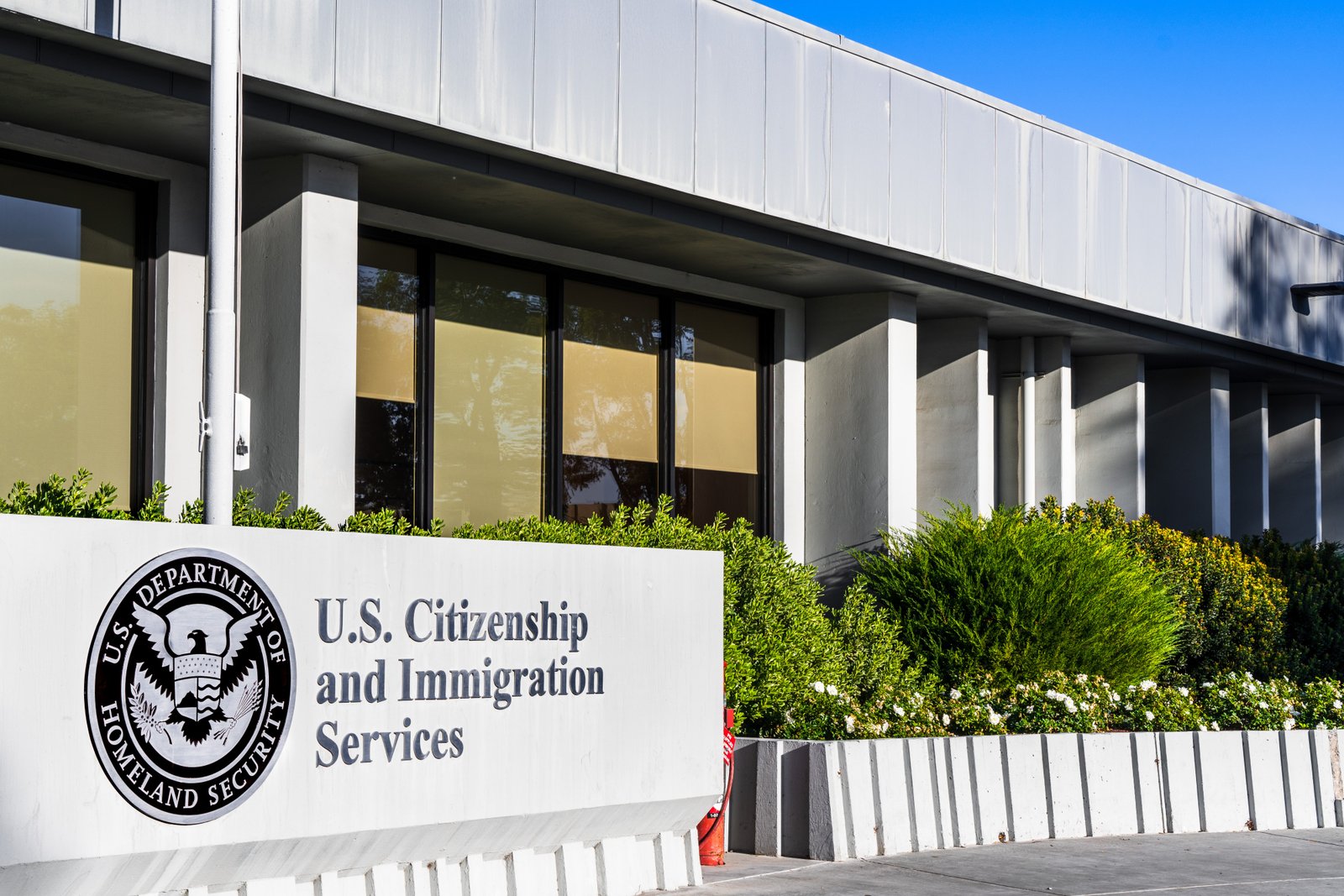
Officers now have much broader discretion under these new green card rules. Instead of weighing only a narrow list of cash benefits, USCIS may consider a wide range of means-tested public benefits alongside an applicant's age, health, financial resources, education, and family circumstances. This standard applies to Form I-485 applications postmarked or filed electronically on or after September 18, 2026. Cases already pending may still fall under the older, narrower standard, so timing your filing carefully matters more than ever this year.
Families weighing whether to file now or wait a few months should also think ahead to renewal timelines. Our guide on renewing a green card walks through that process and can help you avoid gaps in status once your case is approved.
New Green Card Rules for Adjustment of Status Filings
A second major shift arrived in May 2026, when USCIS restricted who can file Form I-485 to adjust status while remaining inside the United States. Many people on temporary visas, including skilled workers, students, and certain visitors, once had the option to apply for a green card without leaving the country once their priority date became current. The new green card rules push most of these applicants toward consular processing abroad instead.
This change carries real consequences for everyday families. Spouses hoping for early work authorization through an adjustment filing may now face longer waits, and visa holders on B-1, F-1, J-1, and E-2 status could see similar delays. Some applicants still qualify to file domestically, but they generally need a clear, well-documented explanation of the employment or family circumstances that justify it.

How These Changes Affect Future Applicants: F-1 and J-1 Students
A related piece of the new green card rules involves international students. DHS eliminated "Duration of Status" for F-1, J-1, and I visa holders and replaced it with a fixed admission period, generally capped at four years. Once that period ends, students must file for an Extension of Stay if their program is not finished. This matters for the green card pipeline because many future permanent residents move through OPT, then H-1B, then PERM labor certification, then adjustment of status, a sequence that can already take a decade for applicants from certain countries. Students should map out this timeline early rather than assume the old rules still apply.
What the New Green Card Rules Mean for Applicants and Families
Taken together, the new green card rules mean three things for anyone currently in the process or planning to start soon. Timing your filing matters more than it used to, especially around the September 18, 2026 public charge effective date. Adjustment of status can no longer be assumed as the default path, since consular processing may now be the more likely route for many temporary visa holders. Families with a marriage-based case in progress should also stay alert to processing changes, and our breakdown of green card timelines after marriage can help you set realistic expectations for your own case.
Several of these rules still face court challenges, so guidance could shift again before the year ends. You can track USCIS's own public charge policy alert directly for the most current, official language, rather than relying on secondhand summaries or social media posts.

Steps to Take Under the New Green Card Rules
None of this means you are powerless. If anything, a little preparation now goes a long way toward keeping your case on track while these rules settle in. Here are a few practical moves worth making before you file or while your application is already pending:
Review your filing timeline against the September 18, 2026 public charge effective date
Confirm whether adjustment of status is still realistically available in your situation
Gather financial documentation, including a strong Affidavit of Support, ahead of time
Talk to an immigration attorney before assuming your case will proceed as it would have a year ago
Every case looks a little different, so what matters most is applying these steps to your specific circumstances rather than treating them as a one-size-fits-all checklist. Taking even one of these steps early can save you weeks of delay or a preventable denial down the road.
Get Guidance You Can Trust
Keeping up with the new green card rules on your own can feel overwhelming, especially while a case is already underway. Muñoz Llamosas Law helps individuals and families understand exactly how these updates affect their situation, from public charge considerations to adjustment of status eligibility, so you can move forward with a clear plan instead of guesswork. If you have questions about your green card application or want a second opinion on your options, reach out to our team for a consultation. We are here to help you make sense of the new green card rules and take your next step with confidence.